Congratulations on your purchase
The French FlagBox™ edition by Niceprint
A special edition commemorating the
French contribution to the worlds most famous playing cards.
Playing cards are as old a paper itself but let us not forget it is the French
who invented the renowned gaming symbols

Created around 1470 and remaining virtually unchanged for over 550+ years.
The FlagBox™ edition is truly a proud to be French product celebrating this heritage.
China to Europe, 600 years
Paper and playing cards both originate from China. The earliest known reference to paper card games is from Tang Dynasty text records of 868. From China playing cards traveled west along the great trading routes and by the late 14th century they had arrived in Europe.
Different countries developed their own designs. Italy and Spain favoured Cups, Coins, Swords and Batons. German speaking regions chose Hearts, Bells, Leaves and Acorns. Then around 1450 – 1470, something particularly important happened in France. French card-makers invented the red Heart, black Spade, red Diamond, black Club and the distinctive court card arrangement King, Queen, Jack. A remarkable, elegant system. Instantly recognizable and more efficient to reproduce.
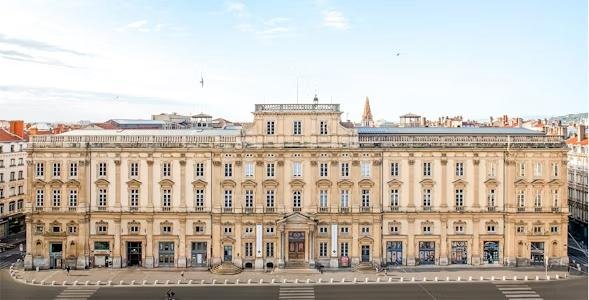
LYON, a thriving French card industry
France became home to an important and highly skilled playing-card industry and Lyon was one of its great centers. Already famous for printing, craftsmanship and international commerce, Lyon developed a substantial trade in playing cards. In 1548, there were 172 established card manufacturers recorded in the city of Lyon.
Playing cards were no longer simply something to amuse people around a table.
They had become a serious commercial industry — involving craftsmen, printers, engravers and merchants, with French cards travelling through Europe’s trading networks. By the end of the 16th century, the Lyon card trade was generating an estimated 200,000 écus a year. That’s equivalent to around five million euros in today’s money.
BRITAIN, where the Ace of Spades became tax revenue.
The story took another remarkable turn in Britain.
Playing cards became subject to taxation, and the Ace of Spades acquired a special role because it carried the official duty stamp.
For centuries, the British government collected revenue from playing cards and the tax had an extraordinary consequence. Forging a playing-card tax stamp was a capital crime.
In 1805, London card-maker Richard Harding was convicted of forging the official duty stamp used on the Ace of Spades and selling cards bearing the forged stamp. He was sentenced to death. On 13 November 1805, Richard Harding was hanged outside Newgate Prison. A simple playing card had become entangled with taxation, government revenue and the gallows.

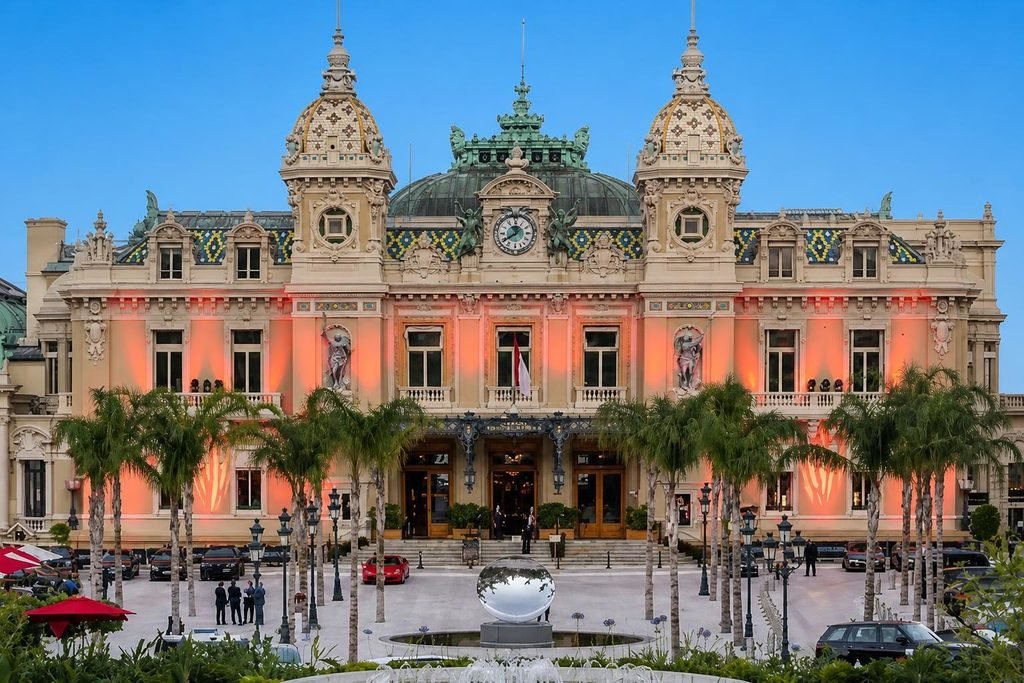
MONACO, when gambling transformed a country
Now the story moves south to the Mediterranean. In the 19th century, Monaco faced a serious financial challenge after losing the territories of Menton and Roquebrune. Prince Charles III needed a new source of revenue. His answer was gambling. In 1863, the Prince granted the casino concession to the French businessman François Blanc. A casino was developed alongside luxury hotels and other attractions, and the railway soon brought wealthy visitors directly to Monte-Carlo. The result was extraordinary. The casino transformed Monaco’s fortunes. By 1869, the Principality was prosperous enough for Charles III to abolish personal, property and movable-property taxes. The Mediterranean principality had found a remarkable new economic power house, the international casino. At the casino tables it was the French-suited symbols on the playing cards that were chosen and still remain that way today.
AMERICA, the French cards cross the Atlantic
French-suited cards became the basis of the international pack, with the familiar ♥ ♠ ♦ ♣ becoming increasingly universal. French gambling culture also travelled to America. In New Orleans, French settlers helped introduce poque, a French card game that is part of the story of poker’s development in America. From New Orleans, gambling culture spread westward. And eventually, the four familiar French suits would become inseparable from the great American casino tradition.
LAS VEGAS, the four French symbols become global
Today, when people think of casino gambling, they think of Las Vegas. Poker tables. Cards being shuffled. The unmistakable symbols: ♥ ♠ ♦ ♣. The French suits have travelled an extraordinary distance — from European card-makers and printing workshops to the world’s most famous gambling destinations. What began as an elegant French system of four simple symbols has become a global visual language of cards, games luck and chance. Centuries ago, French cardmakers created and refined a design that would travel around the world.

Today, Flagbox™ celebrates this heritage.
The cards in your hands are the continuation of this story. A truly Proud to be French product. Celebrating a national treasure of historical significance that remain virtually unchanged for over 550 years. The French flag on the deck is in celebration of the French story behind the four suits. And the matching iconic Flagbox™ will keep your cards together and protected for decades of gaming pleasure.
There are many museums around the world celebrating this incredible part of our history.
In Lyon we have Musée de l’Imprimerie et de la Communication graphique
and in Paris we have Musée Français de la Carte à Jouer
Thank you for visiting
and enjoy your play
whatever your game may be.